NECTAR WATER FILTER MODEL WPB
Simple Filtration.
Reliable Protection.
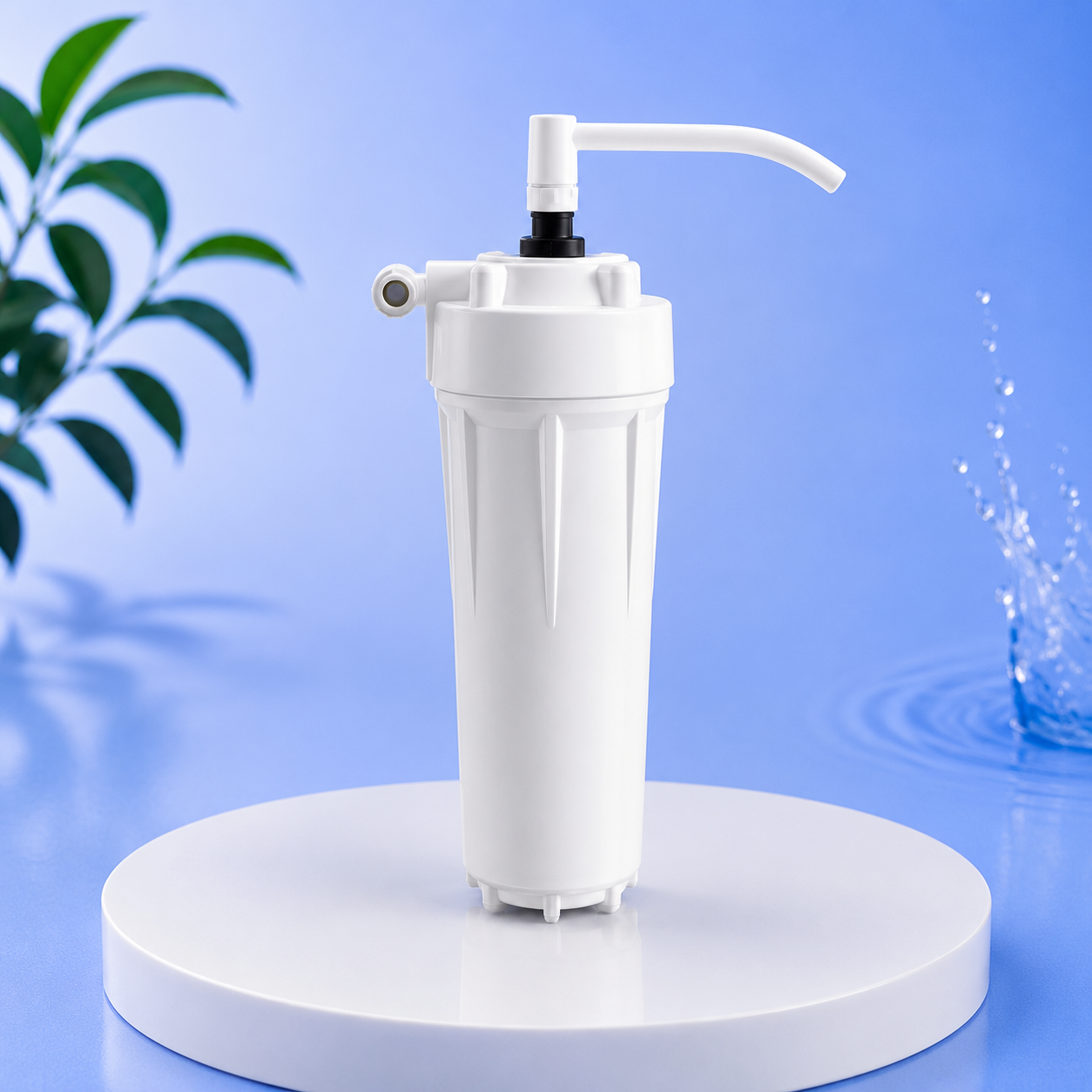
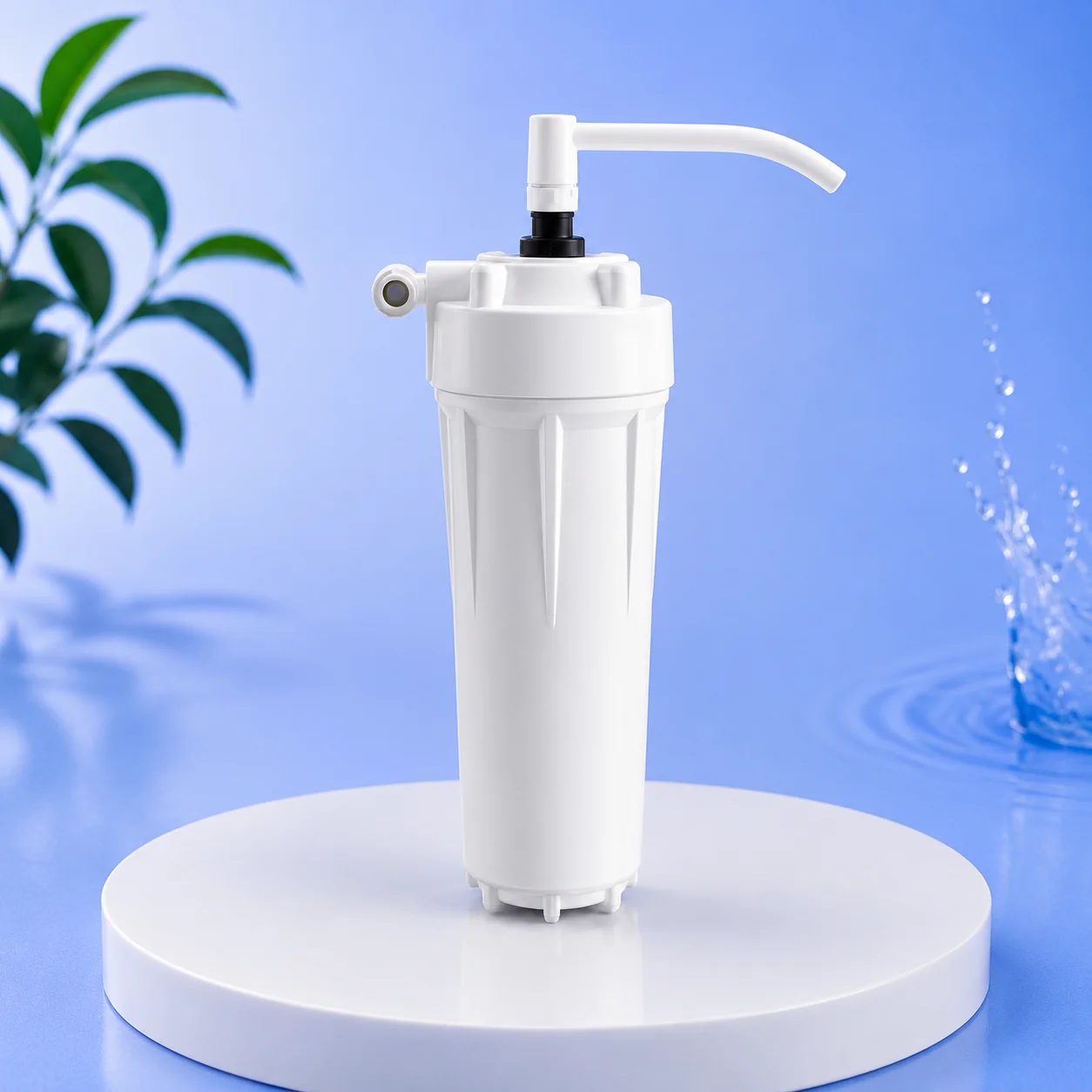
The Nectar WPB is a practical household water filter
designed to provide cleaner and better-tasting water
through a simple, easy-to-maintain filtration system.
Designed for everyday household use, the WPB combines
a durable filter body with a replaceable filtration
cartridge and simple manual operation.
01
Household Filtration
Designed for practical everyday water filtration.
02
Replaceable Cartridge
Filtration media can be replaced when required.
03
Easy Operation
Simple design for convenient household use.
04
Since 1983
Backed by Nectar’s water filtration experience.
WPB WATER FILTRATION SYSTEM
Practical Filtration For Everyday Use
The Nectar WPB is designed as a straightforward household
water filtration solution, providing a practical way to
improve the quality and taste of water at the point of use.
01
Simple Design
A straightforward filter system designed for convenient
household installation and operation.
02
Replaceable Filter
The internal filtration cartridge can be replaced
according to water quality and usage.
03
Everyday Water
Suitable for households looking for a practical
point-of-use water filtration solution.
FEATURES & BENEFITS
Designed For Practical Household Filtration
The WPB focuses on a simple and dependable approach
to household water filtration without unnecessary
complexity.
Its replaceable cartridge allows the filtration
element to be maintained according to water quality
and household usage.
01
Simple Construction
A practical filter design intended for
straightforward everyday operation.
02
Replaceable Cartridge
The internal cartridge can be replaced when
filtration performance or service requirements
call for it.
03
Point-of-Use Filtration
Provides filtered water directly where it is
needed for everyday household applications.
04
Easy Maintenance
The replaceable filter element keeps routine
maintenance simple.
INSIDE THE SYSTEM
A Simple Filtration System
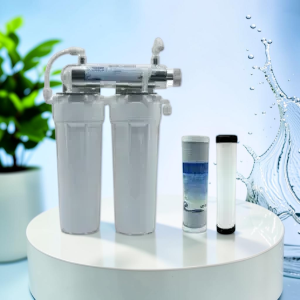
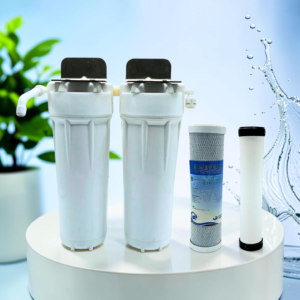
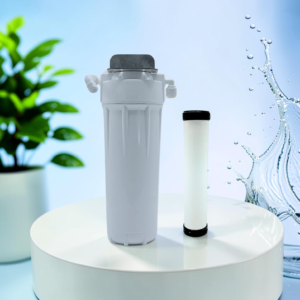
The WPB consists of the filter body, internal cartridge
and associated components required for routine use.
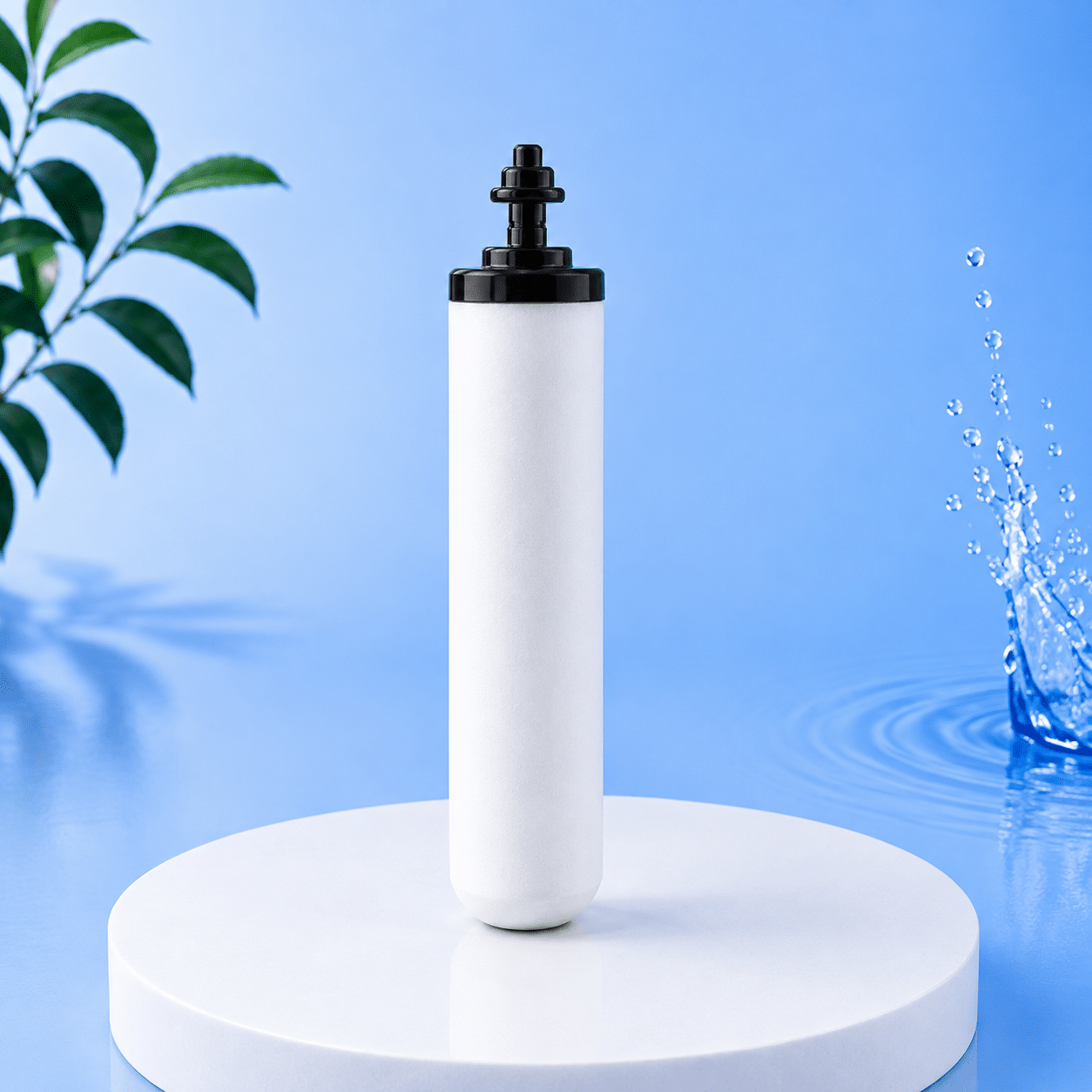
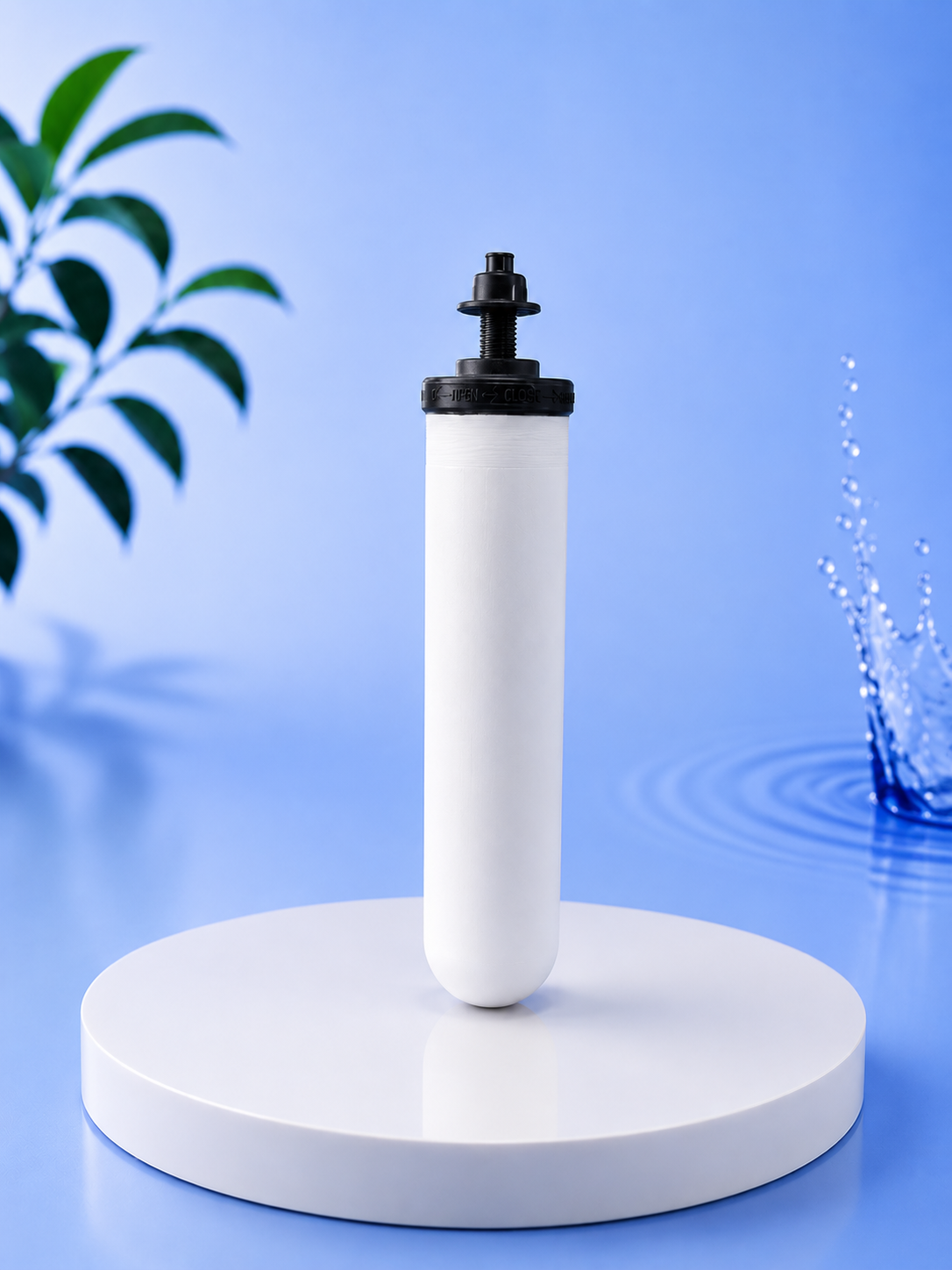
FILTRATION CARTRIDGE
Replaceable Filter Element
The filtration cartridge is installed inside the
WPB housing and performs the primary filtration
function.
The cartridge can be removed and replaced when
required according to water quality and usage.
WHY IT MATTERS
Built For Everyday Reliability
The Nectar WPB is intended for users who want a
straightforward household water filtration system
that is easy to operate and maintain.
Simple Operation
Designed for convenient everyday household use.
Replaceable Cartridge
The internal filtration cartridge can be
replaced when required.
Compact Solution
A practical filtration option for household
point-of-use applications.
Easy Maintenance
Cartridge replacement keeps routine servicing
straightforward.
COMPLETE SET
Everything You Need For The WPB
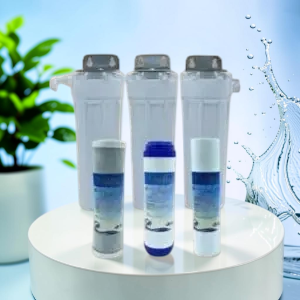
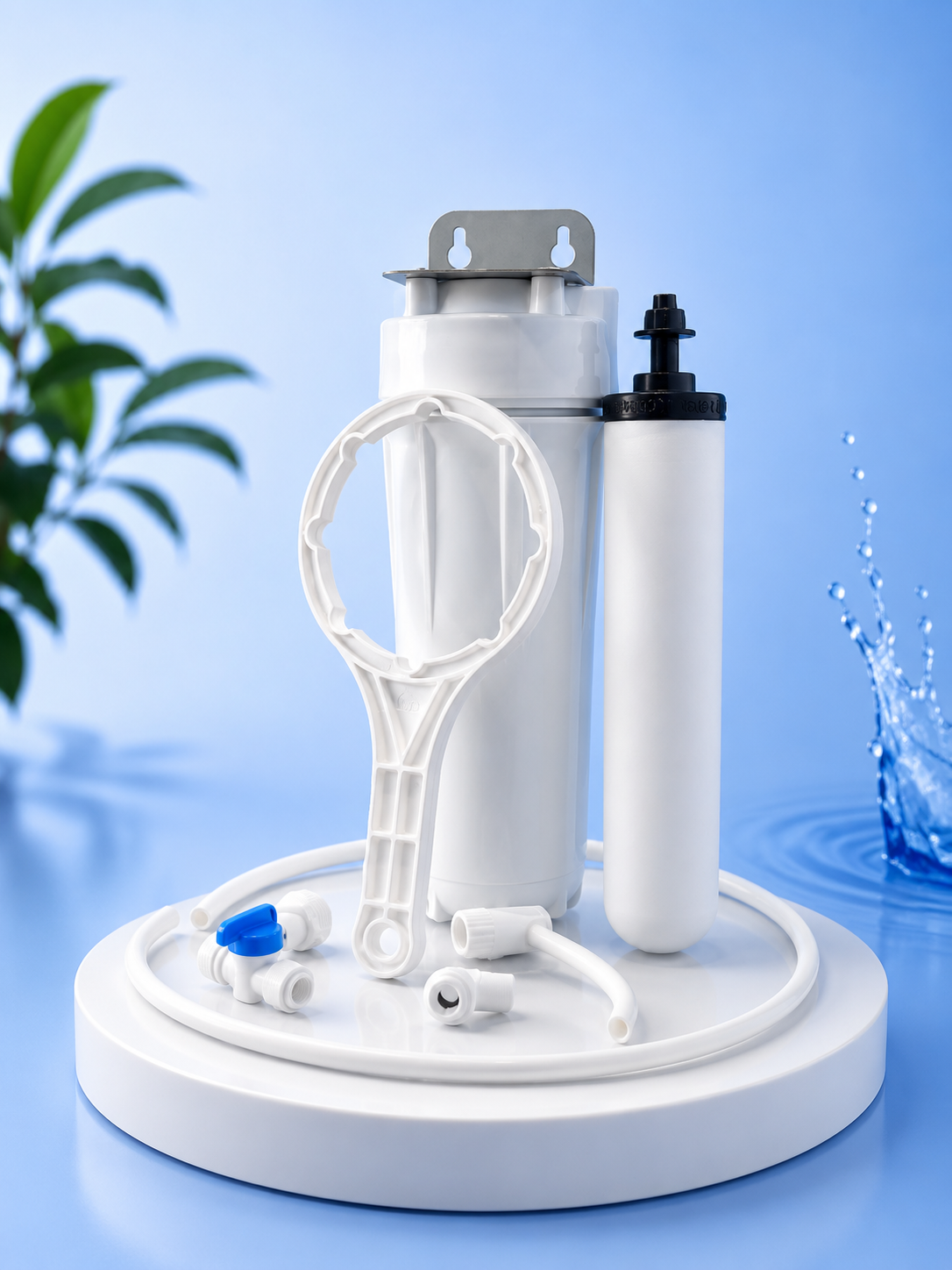
The WPB system consists of the filter body, internal
filtration cartridge and the supplied accessories.
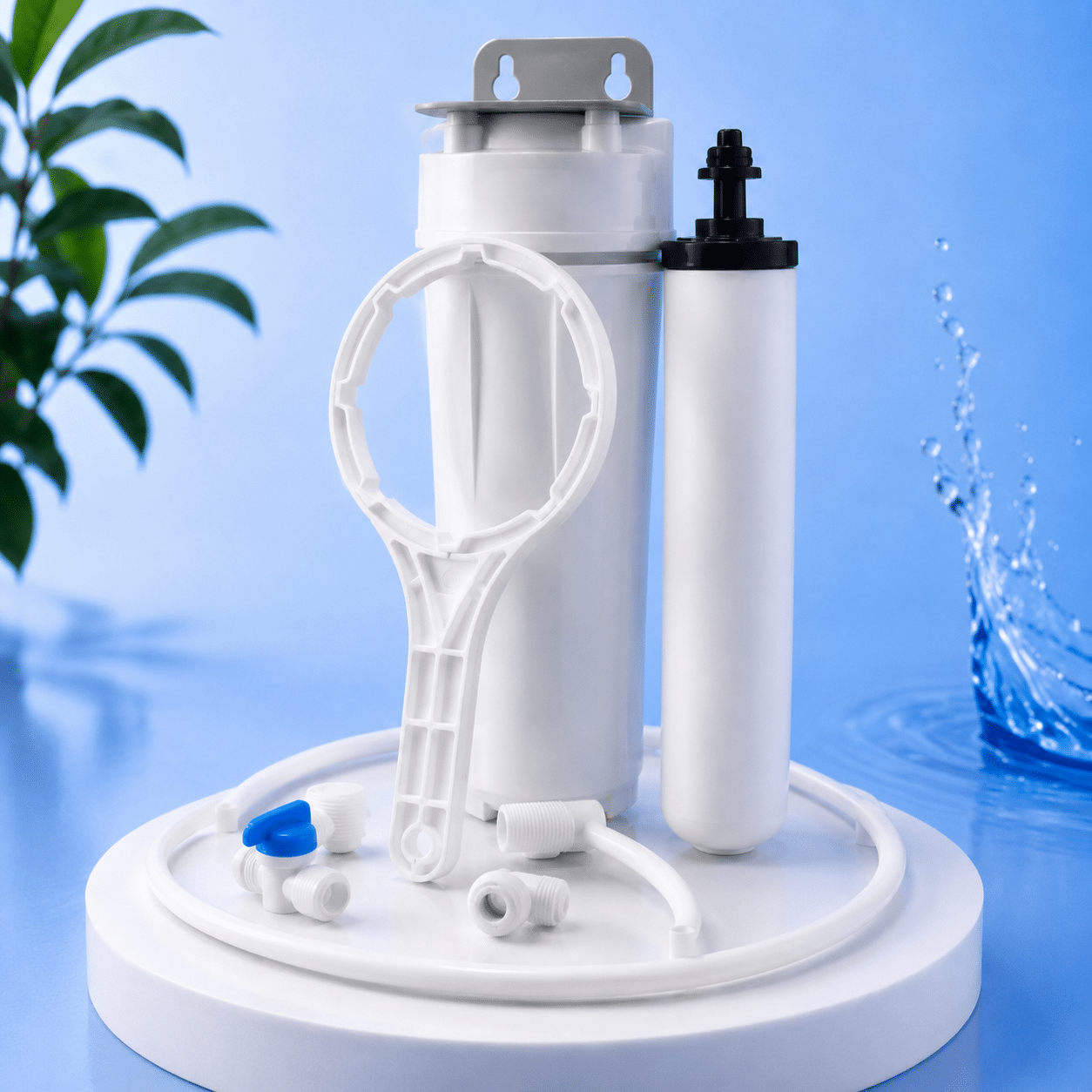
COMPLETE PACKAGE
WPB Filter Set
The complete set provides the main components required
for using the Nectar WPB water filtration system.
The illustrated set shows the filter and associated
components supplied with the product.
PRODUCT ACCESSORIES
Simple Tools For Maintenance
The WPB includes components designed to make routine
cartridge servicing and handling more convenient.
01
Filter Cartridge
The replaceable filtration element installed
inside the filter body.
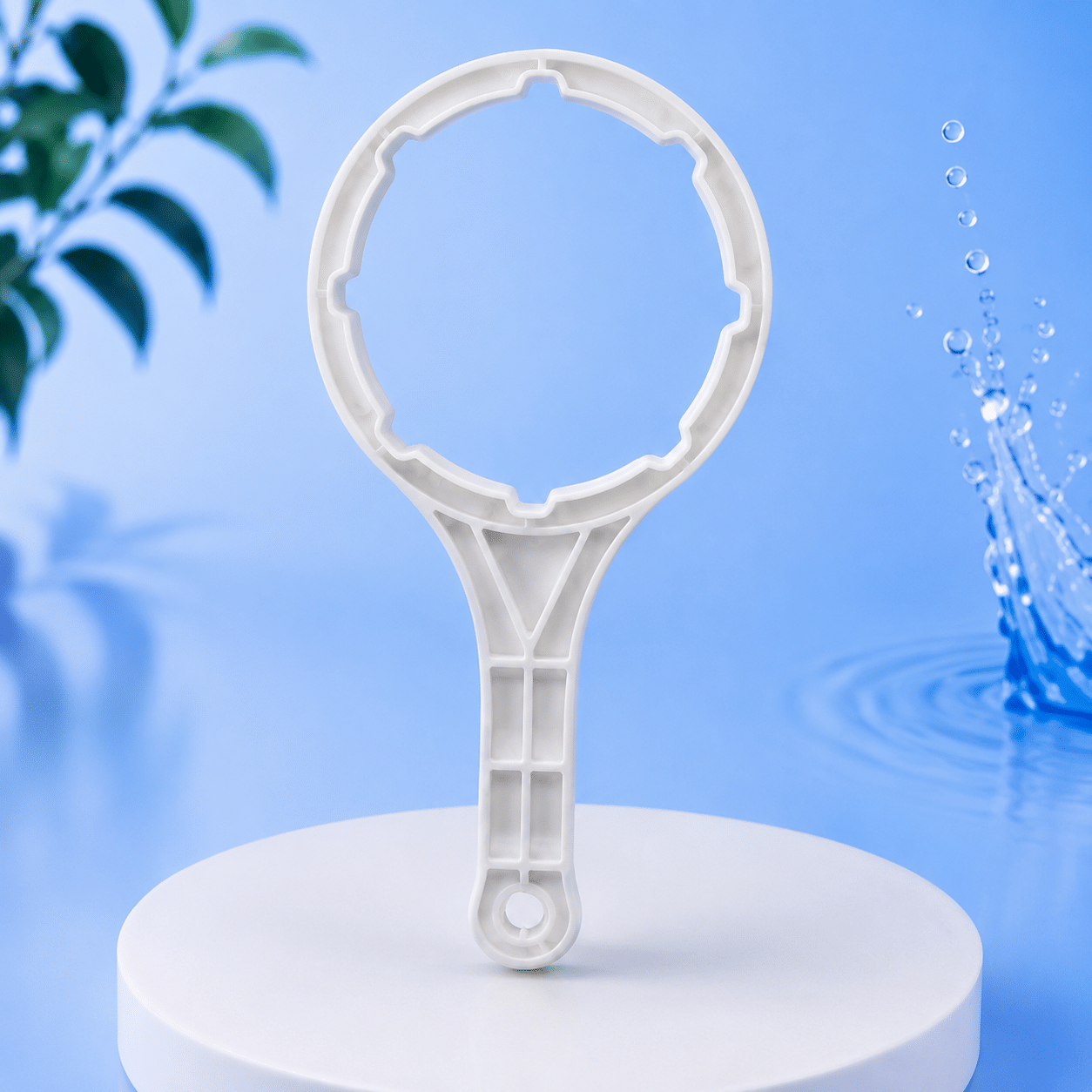
02
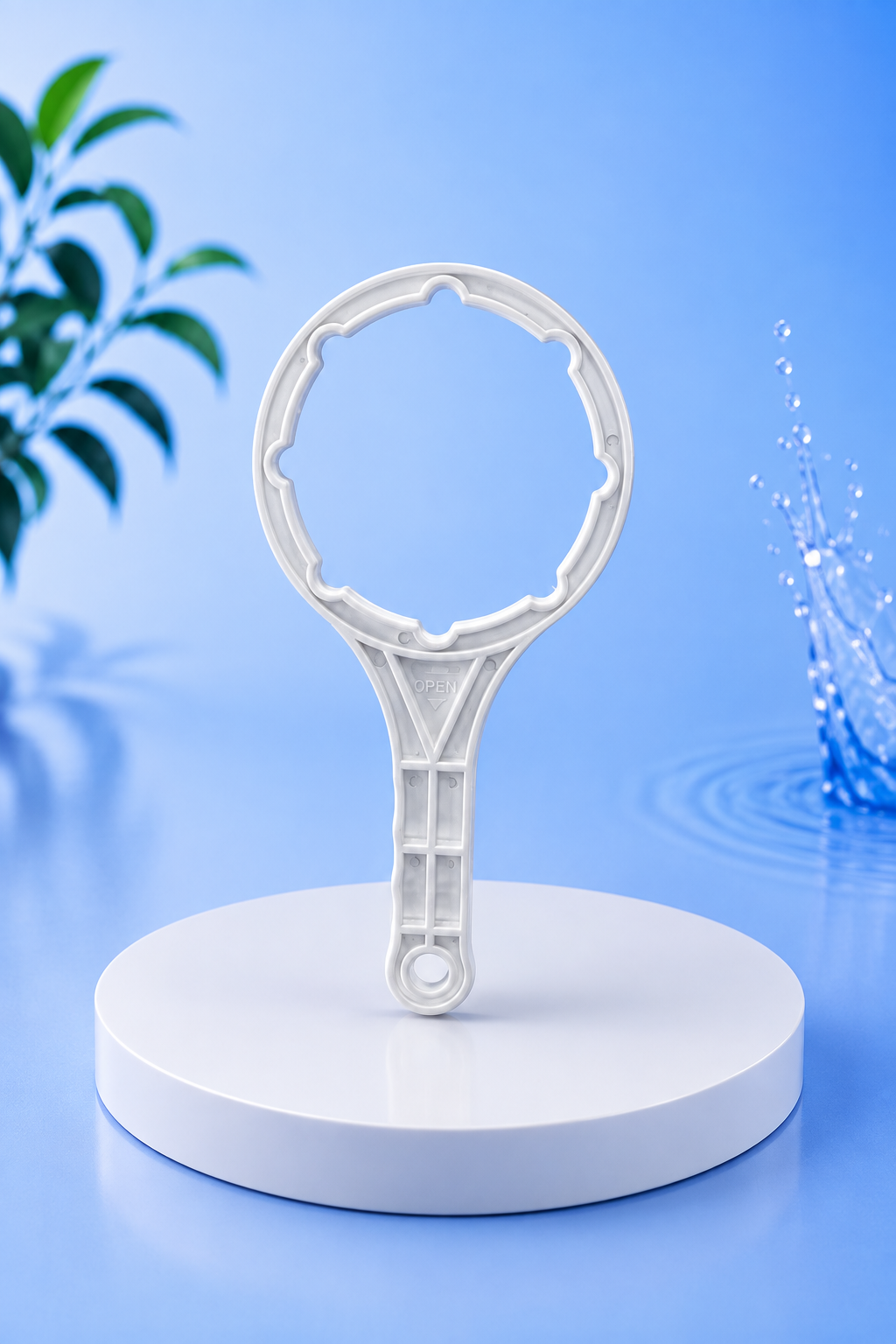
Filter Key
Used to assist with opening the filter body
during cartridge maintenance.
REPLACEMENT CARTRIDGE
Maintain Your Filtration Performance
The filtration cartridge is the working filtration
component inside the WPB system.
Replaceable
Replace the cartridge when required according
to water quality and usage.
Easy Servicing
The filter housing can be opened for routine
cartridge replacement.
Practical Maintenance
Regular cartridge servicing helps maintain
effective filtration.
NECTAR WATER FILTRATION SYSTEMS
Trusted Water Filtration Expertise
Nectar has been developing and supplying water
filtration solutions in Pakistan since 1983,
providing practical filtration products for
households and businesses.
1983
Established
WPB
Household Filtration
Simple
Cartridge Maintenance
Nectar
Filtration Expertise
GOOD TO KNOW
Questions, answered
What is the Nectar WPB water filter?
+
filtration system designed to provide filtered water
for everyday point-of-use applications.
Does the WPB use a replaceable cartridge?
+
that can be replaced according to water quality,
usage and cartridge condition.
What is the cartridge used for?
+
installed inside the WPB filter body.
Is a filter key included?
+
opening the filter housing during cartridge servicing.
How often should the cartridge be replaced?
+
water quality, usage and the condition of the
filtration element.
Is the WPB suitable for household use?
+
point-of-use water filtration solution.
What does the complete set include?
+
associated filtration and maintenance components.
Does the WPB require electricity?
+
and does not require electricity to perform filtration.